

You set the parameters. We execute.
Programs That Run Every Week
Some printing is a project. Some of it is an operation that repeats until you stop it - so you define how it runs, and we run it that way every cycle without being asked.
Most of what a printer quotes is a project: a brochure, a catalog, a mailing with a date on it. It is specified, priced, produced and finished.
Some of it is not. Some of it is a thing that has to happen again this week, and the week after, indefinitely — and what the customer is really buying is not a print job at all.
You set the parameters. We execute them. What the piece is, who it goes to, what triggers it, what counts as done — those are yours, and they should be, because it is your campaign and your customers. What happens after that is ours, every cycle, without a purchase order and without a conversation.
Since January 2023, thirty clients have sent us work in forty or more separate weeks. That is the part of this business that does not look like printing, and it is the part people stay for.
It repeats
Weekly, monthly, or whenever orders arrive - the shape is the same each time, so it can be set up once rather than quoted again and again.
It has a rhythm you cannot miss
A prospecting mailing that has to go out this week is not improved by going out next week. Programs get scheduled, not queued.
It is somebody’s job at your end
Usually somebody who would rather it were not. Handing over the packing, the postage or the shipping notifications gives that person their week back.
The stock is already here
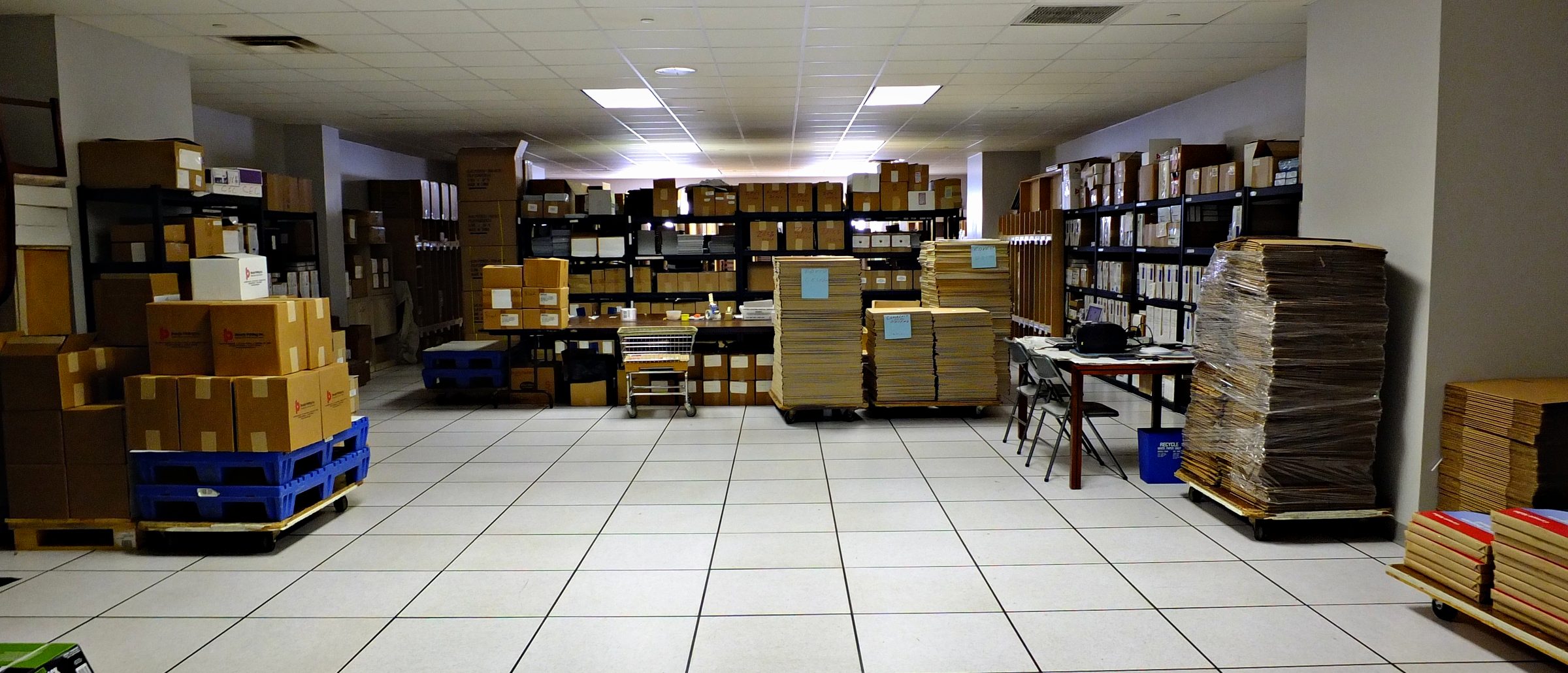
We printed it, so we hold it. No freight leg to a warehouse and no second party to blame when a count is wrong.
Data in
You send a file. Their mail arrives.
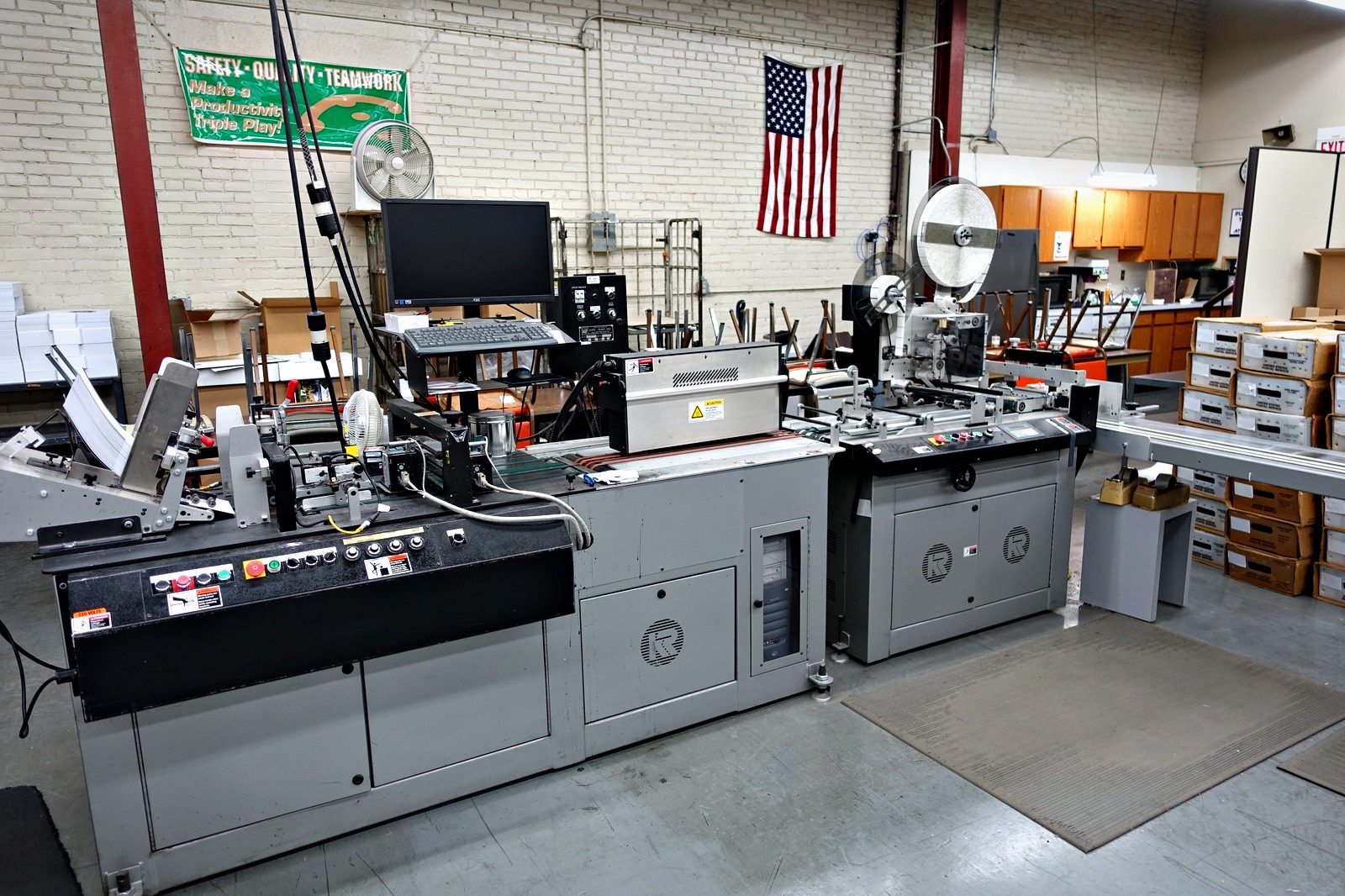
Several clients send us data every week. Every file goes through CASS and NCOA, gets presorted, and the postcards and letters print and mail that week — the same cycle, running continuously, for as long as the campaign runs.
The hygiene matters more than it sounds, because it happens every weekrather than once at the start. Addresses go stale continuously, and a program that cleans the file each cycle keeps its deliverability and its postage rate where they started. One that cleaned the list in January is paying for January by November.
The file is not only names and addresses either. On these programs each piece carries its own phone number, so when a prospect calls, the client knows which mailing produced the call. That turns a campaign from something you hope is working into something you can read a number off —variable data doing something useful rather than putting a first name at the top of a letter.
Nobody on their side lays out a postcard, checks a postal requirement or takes anything to the post office. They send the week’s names. The mail goes out.
It works because the pieces are already settled: the design qualifies for the rates it should, the addressing is set up, the permit is ours if they want it, and the presort happens here. See mailing for how those decisions get made the first time.
Orders out
On-demand order fulfillment
An order arrives, we pick it, pack it, label it and ship it. That is the whole shape of it, and the only question is where the order comes from.
From your own people. Several clients have a storefront set up on MyPrintCentral, so branch offices, reps and regional teams order what they need from held stock without going through head office. The order lands with us and the carton goes out to whoever placed it.
From your customers. One client sells posters through an online marketplace. We print them, roll them, sleeve them, put them in tubes, carton them and ship on UPS — then upload the tracking straight back to their storefront, so the buyer is notified without anybody on the client’s side touching the order.
Either way it is a different job from warehousing: picking one order rather than drawing down a pallet, packaging that survives a courier rather than a forklift, and putting fulfillment data back into a system we do not own.
How it gets set up
Setting the parameters
The work of a program is nearly all at the start, and nearly all of it is decisions rather than production. What the piece is. How the data will reach us. What happens when it arrives short, late or wrong. Who can approve a change, and who cannot. What gets reported back, to whom, and how often.
We write those down, you approve them, and from then on they are the program. Nobody has to remember them and nobody has to be asked.
There is no standard version of this, because the clients are not alike — a marketplace seller and a weekly prospecting campaign want completely different things. If you already have a process that works, we fit it.
Worth knowing
- One point of contact who knows the program, rather than a new conversation each time.
- Stock held here, because we printed it.
- Mail on our permit if you do not hold one.
- Data handled the way your policy requires.
What are you doing every week that you would rather not?
Describe the cycle — what arrives, what has to go out, how often, and who is doing it now. That is enough for us to say whether it belongs here, and to be honest with you when it does not.
Vision for Print, Mail & Fulfillment in Pittsburgh
From Concept To Mailbox, We Do It All. Let Broudy Be Your Partner.
or call 412.362.6700